Main Differences Between Leopard 5 and Leopard 8
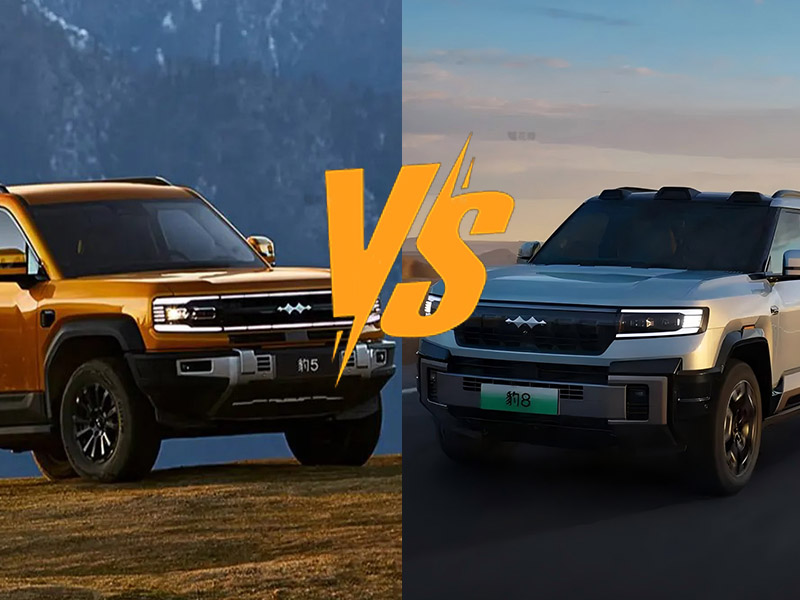
Leopard 5 and Leopard 8 are two high-end SUVs under BYD, and they exhibit significant differences in several key areas:
Design and Dimensions
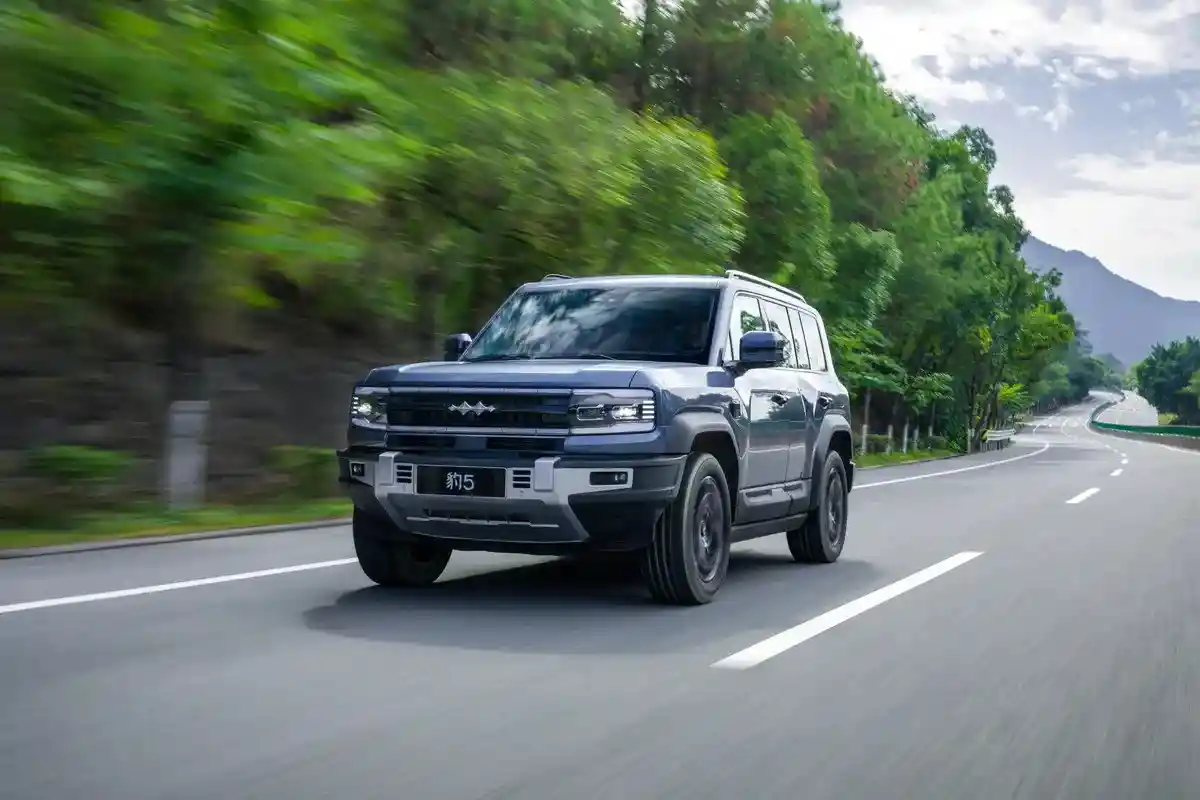
- Leopard 5: Features a retro boxy design with smaller dimensions, making it ideal for consumers who prefer a compact and rugged off-road style.
- Leopard 8: Boasts a smoother and more rounded exterior with larger dimensions, offering greater interior space and a more comfortable riding experience, ideal for large families.
Power and Performance
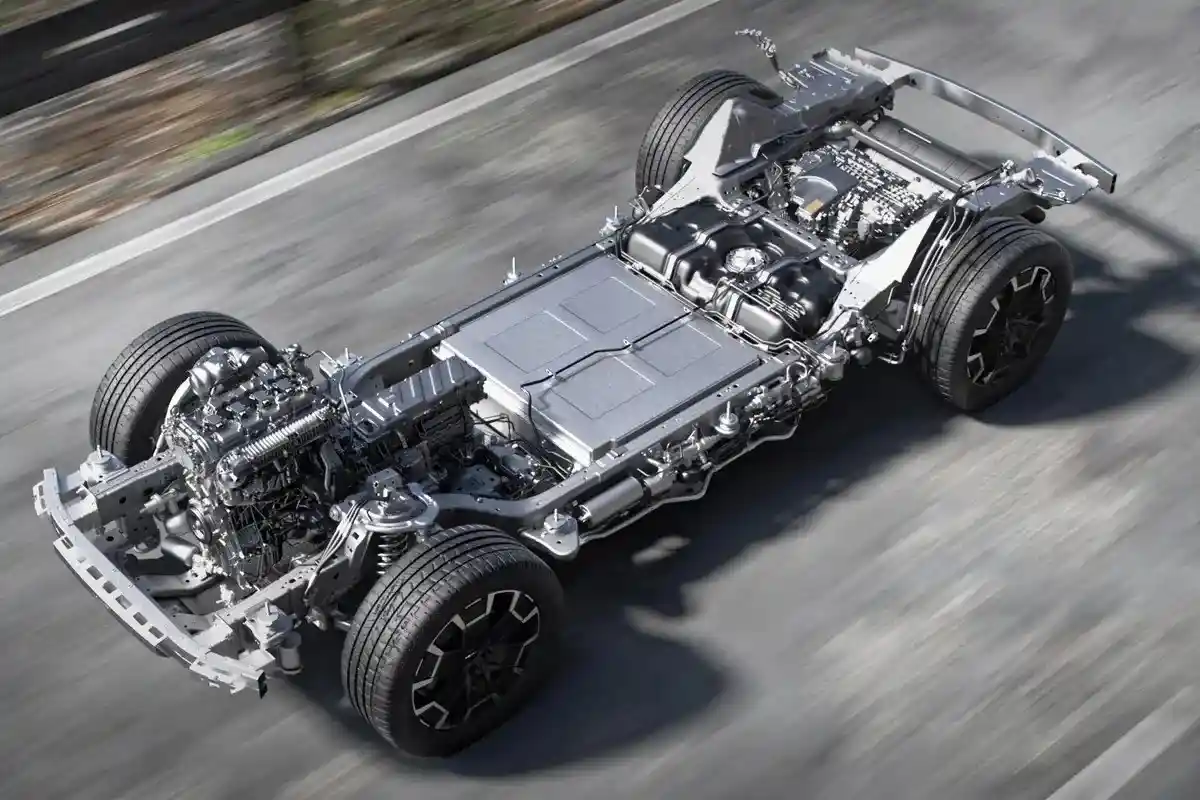
- Leopard 5: Equipped with a 1.5T engine and a four-wheel-drive system, delivering a combined power of 505 kW and achieving 0-100 km/h acceleration in 4.8 seconds.
- Leopard 8: Features a 2.0T engine and dual electric motors, providing a combined power of 550 kW. While the 0-100 km/h acceleration remains 4.8 seconds, the heavier weight gives it a more robust power performance.
Technology and Features
- Leopard 5: Some models come with the Yunnian-P suspension system, but the level of smart technology is relatively limited.
- Leopard 8: Comes standard with the Yunnian-P suspension system across all trims and is the first to be equipped with Huawei’s ADS 3.0 intelligent driving system, offering more advanced autonomous driving features.
Interior and Comfort
- Leopard 5: Features a simple and practical interior design, making it suitable for daily use.
- Leopard 8: Offers a luxurious interior with premium materials, a large central control screen, and an advanced sound system, providing exceptional comfort and a strong sense of technology.

Price and Market Positioning
- Leopard 5: Priced more affordably, making it a good choice for budget-conscious consumers.
- Leopard 8: Commands a higher price but delivers more premium features and a superior driving experience, catering to users seeking high performance and luxury.
| Specifications | Leopard 5 | Leopard 8 |
| Type | Mid-Size SUV starting at 239,800 RMB | Large SUV starting at 379,800 RMB |
| Dimensions (L×W×H) | 4890 × 1970 × 1920 mm | 5195 × 1994 × 1905 mm |
| Engine | 1.5T, 143 kW | 2.0T, 180 kW |
| Electric Motor | 485 kW | 500 kW |
| Combined Power | 505 kW (20 kW) | 550 kW (50 kW) |
| Maximum Torque | 760 N·m | 760 N·m |
| Battery Capacity | 31.8 kWh | 36.8 kWh |
| Electric Range | 100 km (WLTC) | 100 km (WLTC) |
| Fast Charging Power | 100 kW | 120 kW |
| Curb Weight | 2890 kg | 3305 kg |
| 0-100 km/h Acceleration | 4.8 seconds | 4.8 seconds |
| Air Suspension System | Huawei Suspension Rear-Axle | Full Huawei Suspension System |
| Huawei Smart System | Standard | Optional |
Conclusion
The choice between Leopard 5 and Leopard 8 depends on your specific needs and budget. If you are looking for a powerful SUV with abundant features and are willing to spend more, the Leopard 8 is an excellent option. On the other hand, if you are on a budget or prefer a traditional off-road style, the Leopard 5 offers a higher value for money.